

Sign in
If you do not have an account, click Create AccountCreate Account

To better support our customers, we’ve launched an upgraded member platform with improved access and exclusive benefits.
Some items are no longer available. Your cart has been updated.


This discount code cannot be used in conjunction with other promotional or discounted offer.

A sharp jump in export orders, soaring demand for clear-tank devices, and rapidly rising salaries for field promoters—America’s vape market is rewriting its own “wealth creation” story in 2025.
As the world’s largest vape consumption market, the United States is showing a level of momentum not seen in years. Holiday-season stocking, PMTA-driven product upgrades, and deeper local partnerships have combined to create a remarkable surge across the industry. And beneath this surge lies a rare window of opportunity—one that is reshaping brands, manufacturers, and the entire supply chain.
The U.S. market’s rebound has been dramatic. China’s vape exports to the U.S. rose from $383 million in September to $590.9 million in October, a staggering 54.1% month-over-month increase—far outpacing all other destinations.
On average, the U.S. accounts for 40.92% of China’s vape exports, making it the single most important growth driver in the global trade network.
This surge comes at a time when America’s vaping industry—already a mature market—continues to grow at a 4.8% compound annual rate. Meanwhile, China remains the global production center, with exports reaching $11.08 billion in 2023 and climbing to $14.2 billion in 2024, up 21.8% year-on-year.
The U.S. market’s strong comeback is injecting new energy into every link of the Chinese vape supply chain.
In 2025, the U.S. market has shifted from a simple price war to a competition driven by product design and user experience. The biggest winners? Clear-tank disposables with high puff counts.
Transparent oil reservoirs address a long-standing pain point—users can finally see their remaining e-liquid. The clean, tech-inspired design has resonated strongly with American consumers and quickly became one of the year’s dominant product features.
Among these, VAPEPIE 40000 puff devices gained such traction that they became one of the most commonly copied models in the market—an unusual but clear indicator of consumer demand.
Despite strict FDA restrictions on flavored vapes, brands continue to innovate within compliant boundaries, using new formulations to preserve variety without violating regulations.

VAPEPIE Ghost Air 40,000 Puffs
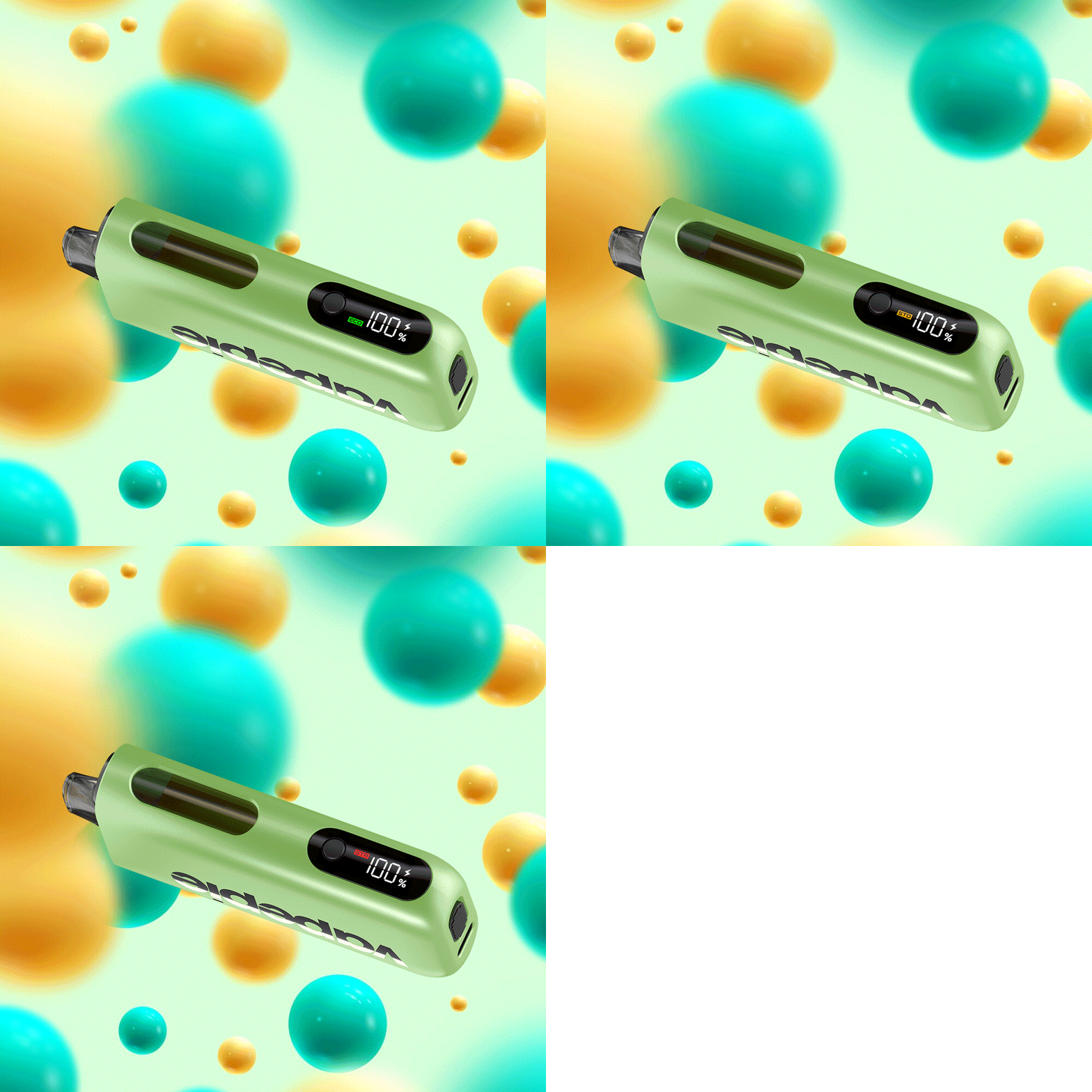
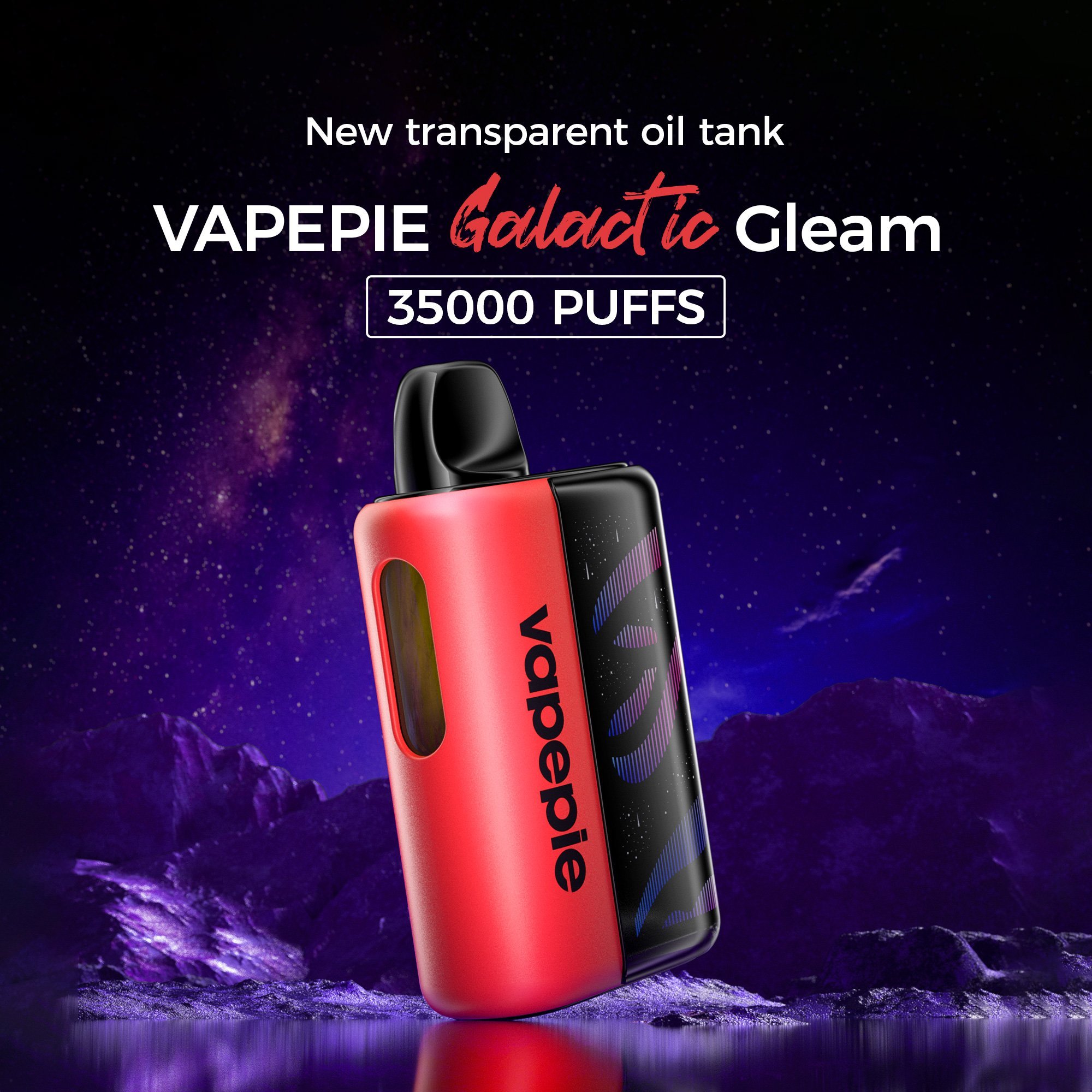
Vapepie Galactic Gleam 35,000 Puffs
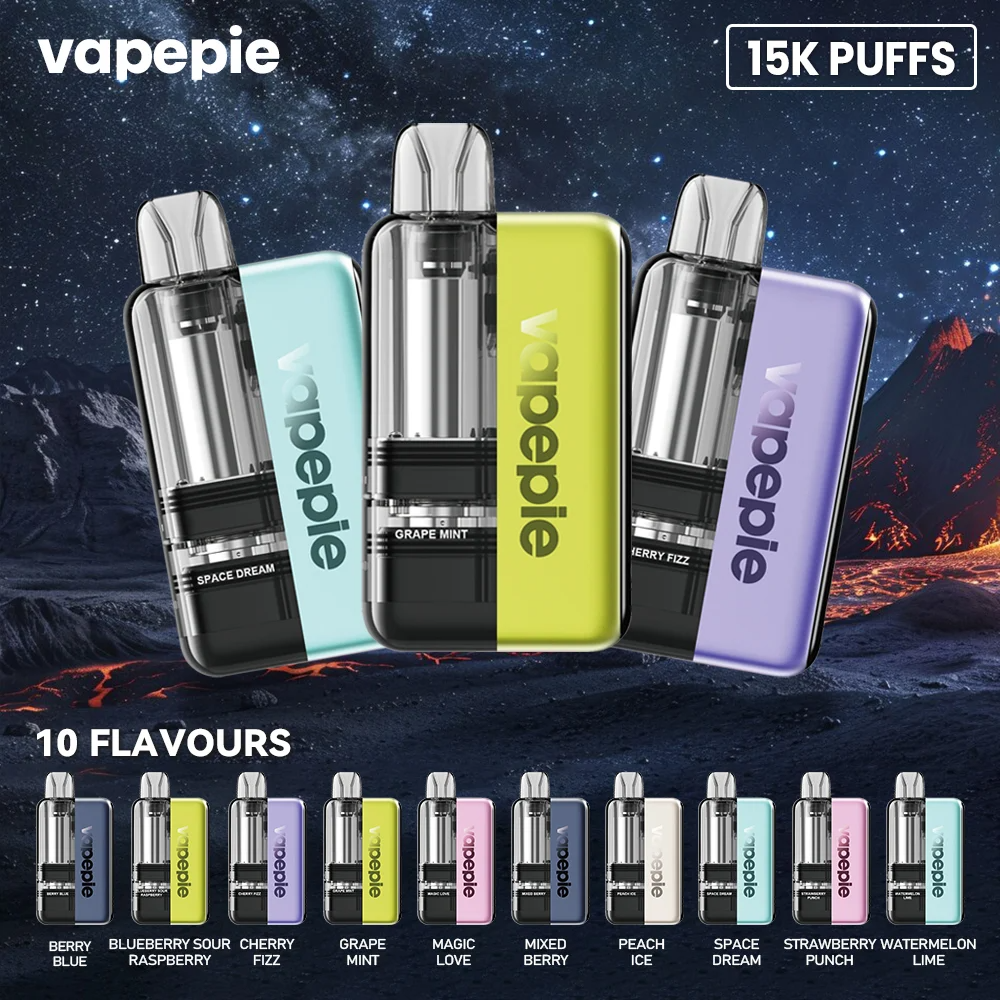
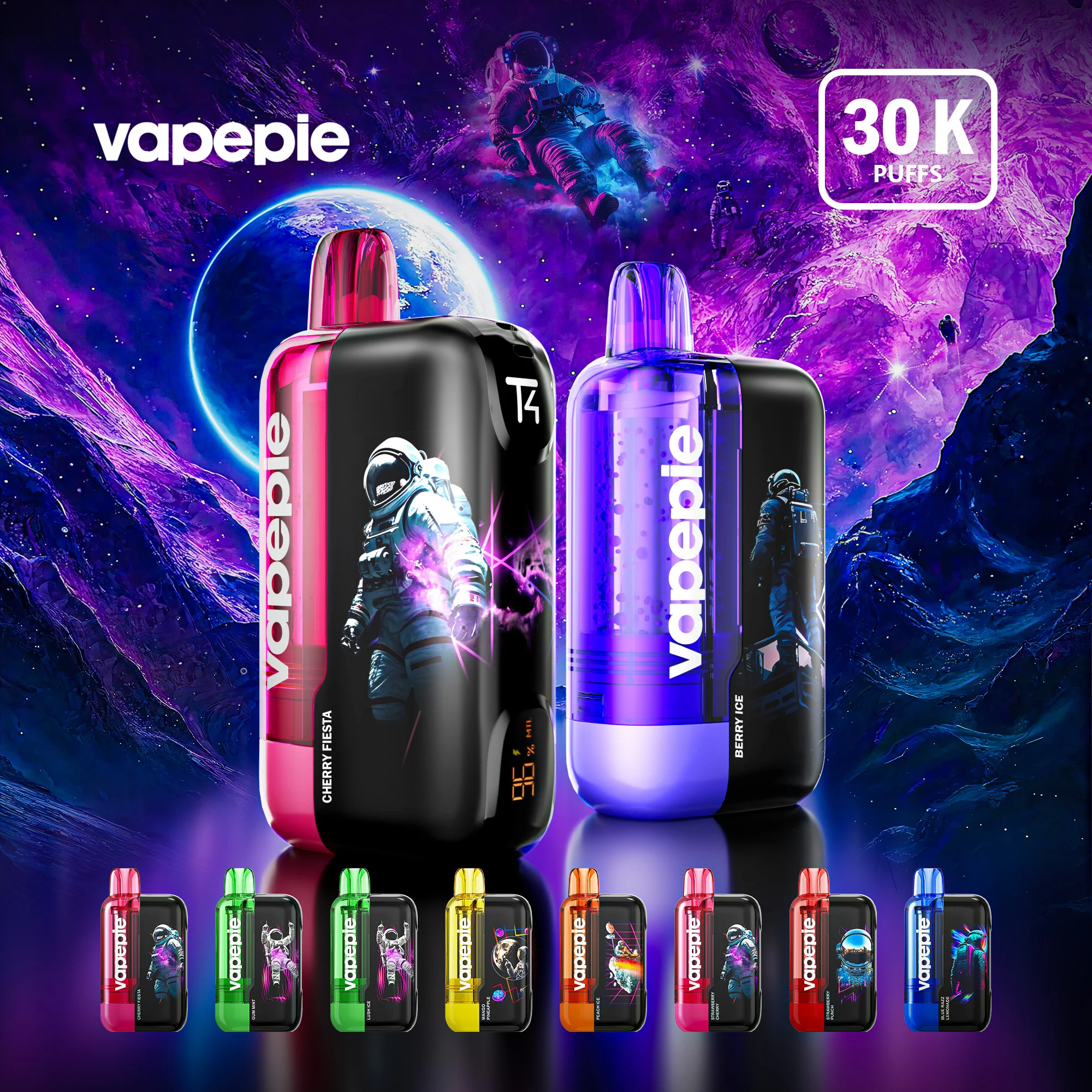
VAPEPIE Ultra Phantom 30,000 Puffs
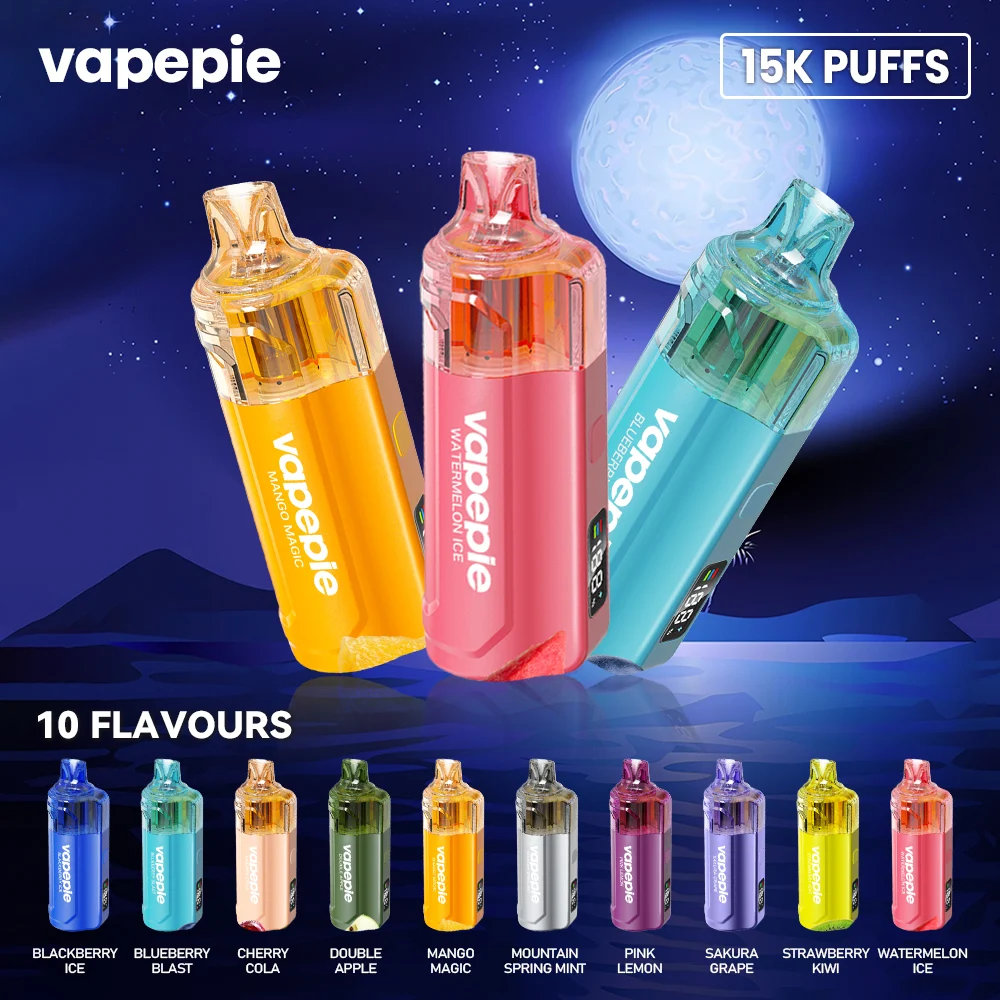
VAPEPIE Crystal Pop 15,000 Puffs

Regulations in the U.S. have become increasingly fragmented. In 2025, state-level differences created a complex compliance landscape—challenging for large brands, but a rare opportunity for nimble regional players.
Small brands thrive because they can move quickly—adapting product configurations, adjusting compliance strategies, and tailoring offerings to local consumer preferences. Their speed provides a competitive edge in markets too complex or too small for industry giants to prioritize.
As brands rush to expand their footprint across U.S. retail channels, demand for field promoters has skyrocketed. Employment in tobacco and vape retail continues to rise, and experienced field staff have become essential to market expansion.
Their responsibilities include:
A senior recruiter noted that salaries for top performers increased more than 30% in 2025, yet talent is still in short supply.
The “Made in USA” requirement in multiple states has changed the industry’s landscape. Alabama’s rule—effective October 2025—marks a major turning point, pushing major brands to shift some production to the U.S.
Brands like VAPEPIE and SKE have already begun local manufacturing to:
Localized production is becoming a core strategy—not a temporary adjustment.
The 2025 wealth wave in the U.S. vape market is fundamentally driven by a perfect combination of technological maturity and market timing.
Innovation cycles have shortened to 6–12 months, with brands introducing smarter, more personalized devices. Some products now sync with mobile apps, offering features such as:
These upgrades elevate the user experience and support significantly higher price points.
Rapid growth also brings structural risks. The top 10 export destinations now account for 83.11% of China’s total vape exports, and the U.S. alone exceeds 50%—a level of concentration that can amplify volatility.
Regulatory pressures continue to escalate:
Product structure is also evolving. As the U.S. and Europe tighten rules on disposables, refillable pod systems, open systems, and compliant high-puff devices are gaining new momentum.
Forward-looking brands are already shifting towards:
For Chinese exporters, two strategies will be decisive in the next stage:
Brands that master these two pillars will be the ones to keep riding the wealth wave—without being swept away by regulatory tides.
Comment