

Sign in
If you do not have an account, click Create AccountCreate Account

To better support our customers, we’ve launched an upgraded member platform with improved access and exclusive benefits.
Some items are no longer available. Your cart has been updated.


This discount code cannot be used in conjunction with other promotional or discounted offer.

The United States remains the most influential and commercially valuable vape market in the world. Despite tightening regulations and increasing scrutiny from the FDA and state governments, the industry continues to grow steadily. Innovation in product design, evolving nicotine alternatives, and strong consumer demand are reshaping the competitive landscape.
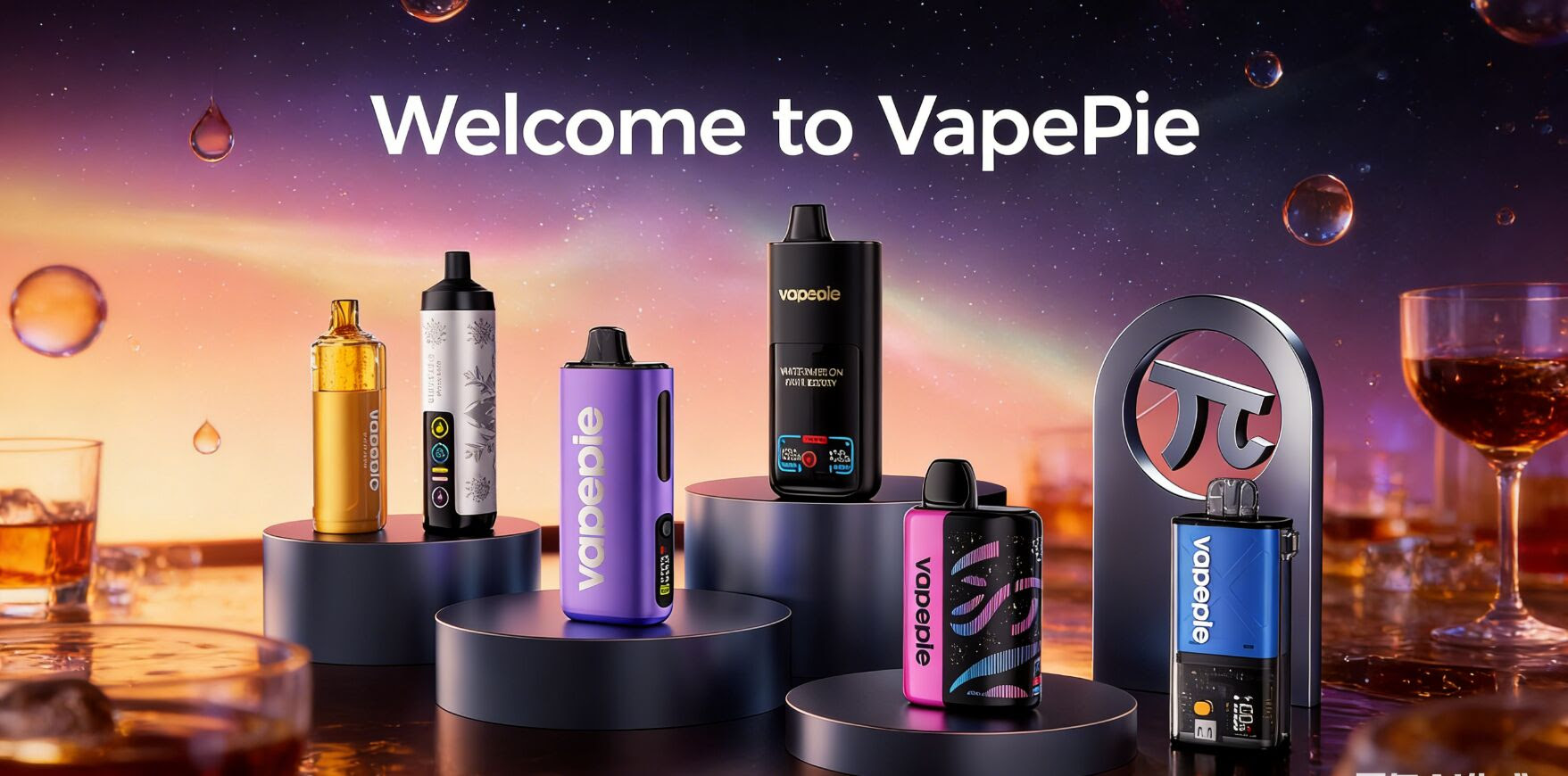
This report provides a structured analysis of the 2026 U.S. vape market, including market size, regulatory developments, consumer behavior, product trends, and strategic opportunities for emerging brands—especially Chinese manufacturers expanding internationally.
The U.S. vape market has maintained consistent year-over-year growth, supported by adult smokers transitioning to alternative nicotine products and ongoing innovation in disposable devices.
| Year | Market Size |
| 2020 | $6.8B |
| 2021 | $7.2B |
| 2022 | $7.6B |
| 2023 | $8.0B |
| 2024 | $8.5B |
| 2025 | $9.1B |
| 2026E | $10.2B |
| 2028E | $12.8B |
| 2030E | $15.5B |
| 2032E | $18.2B |
The U.S. is not only the largest single-country vape market, but also the global trendsetter for product innovation and regulatory policy.
Several structural characteristics define the current U.S. market:
Large-capacity disposable devices have become the industry standard due to convenience, longer lifespan, and strong flavor delivery
The U.S. vape industry operates under a dual regulatory system involving federal oversight and increasing state-level intervention.
The U.S. Food and Drug Administration continues tightening enforcement around ENDS (Electronic Nicotine Delivery Systems).
Key regulatory points include:
The FDA’s focus is shifting toward public health impact (APPH – Appropriate for the Protection of Public Health) when evaluating vape products.
Very few vape products currently hold full FDA authorization, which creates a major imbalance between legal supply and consumer demand.
Despite enforcement efforts, a large portion of the market operates outside formal authorization.
Enforcement priorities now include:
State governments are increasingly shaping the market through their own rules.
Key Examples
Florida
Kentucky
New York
The new system effectively includes three layers:
This evolving structure is redefining market access.
Disposable Devices Continue to Dominate
Disposable vape products remain the fastest-growing category.
Key statistics:
Modern disposable devices now resemble consumer electronics:
The disposable vape market alone reached $9.6 billion globally in 2025.
A new generation of devices is introducing smart hardware features, including:
This trend reflects a broader shift toward “consumer electronics-style” vaping devices, where technology plays a key role in product differentiation.
Flavor remains one of the strongest drivers of consumer demand.
Recent growth data shows:
Most Popular Vape Flavors
Continuous flavor development has become a core competitive strategy for many brands.
The U.S. vape market is dominated by three distinct groups of companies.
| Brand | Market Share |
| Vuse | 34.9% |
| Geek Bar | 21.1% |
| JUUL | 18.5% |
| Breeze | 7.3% |
| NJOY | 4.1% |
| VAPEPIE | 2% |
| HQD | 1% |
| Lost Mary | 1.2% |
| Loon Maxx | 0.8% |
| Lava Plus | 0.5% |
The industry shows strong concentration at the top, but also a dynamic competitive environment in the disposable segment.
1. Tobacco Industry Giants
Traditional tobacco companies dominate the fully compliant market.
Major companies include:
Typical brands:
Their advantage lies in PMTA approvals and retail access.
These companies operate within FDA regulatory frameworks or are undergoing review.
Examples include:
Their distribution often focuses on convenience stores and licensed retailers.
Many high-volume disposable brands operate in the regulatory grey zone.
Examples:
Most of these brands originate from Chinese manufacturers, which dominate global hardware production.
Understanding distribution is essential for market entry.
| Channel | Share |
| Convenience Stores | 56% |
| Vape Shops | 28% |
| Supermarkets | 10% |
| Online | 6% |
Convenience stores represent the largest sales channel.
Brand share within convenience stores:
Specialized vape stores represent a more diverse product ecosystem.
Key characteristics:
Popular products include:
User Demographics
Age Distribution
The core consumer group is 18–35 years old, representing the majority of vape users.
The U.S. nicotine market is increasingly fragmented into three categories.
1. Vapes
Still the dominant alternative nicotine product, especially disposables.
2. Nicotine Pouches
One of the fastest-growing segments, with expanding FDA approvals.
3. Heated Tobacco Products (HNB)
Led by devices such as IQOS, primarily promoted by tobacco companies.
The long-term nicotine market may evolve into a three-way competitive structure.
Chinese manufacturers continue to play a major role in global vape innovation.
Sales Growth (2024–2025)
Fast product development cycles
Chinese manufacturers typically release new models much faster than Western competitors.
High-capacity devices
Devices offering 15K–30K puffs have become a global trend.
Flavor innovation
Many of the most popular flavors originated from Chinese brands.
Convenience Store Strategy
Vape Shop Strategy
Community Marketing
The U.S. is moving toward a controlled licensing model, rather than banning vaping outright.
With more than half of products lacking FDA approval, the dual market structure is likely to remain.
For at least the next 3–5 years, disposable products will continue leading the market.
Device innovation is moving toward smart hardware features and digital interfaces.
Vapes, nicotine pouches, and heated tobacco will compete for market share.
Best suited for companies pursuing long-term market stability.
Advantages:
Challenges:
Focused on rapid market expansion.
Advantages:
Risks:
Competition increasingly revolves around product speed and differentiation.
Key focus areas:
The success of brands like Geek Bar demonstrates how fast innovation cycles can drive explosive growth.
The U.S. vape industry is evolving into a dual-track market system.
Legal Market (~40%)
Grey Market (~50%)
Emerging Segment (~10%)
The U.S. vape market is becoming more regulated, more competitive, and more technology-driven.
Barriers to entry are rising, but the opportunities remain substantial—especially for companies that can combine product innovation, regulatory awareness, and strong retail partnerships.
In this evolving landscape, speed of innovation and channel strategy will determine which brands succeed in the next phase of global vape competition.
Related Reports:
Comment