

Sign in
If you do not have an account, click Create AccountCreate Account

To better support our customers, we’ve launched an upgraded member platform with improved access and exclusive benefits.
Some items are no longer available. Your cart has been updated.


This discount code cannot be used in conjunction with other promotional or discounted offer.

In 2024, the global vapor market grew 9.5% year-on-year, reaching USD 23.04 billion. Yet behind this expansion lies a tightening regulatory landscape and escalating public scrutiny. According to the World Health Organization’s 2025 Tobacco Trends Report, global e-cigarette users have surpassed 100 million, including at least 86 million adults and around 15 million teens aged 13–15.

Such numbers place the industry at the center of a deep ideological and policy struggle. From the FDA’s aggressive import seizures in the U.S., to the U.K.’s full ban on disposables, and China’s increasingly structured compliance system, major manufacturers now operate in an environment defined more by restrictions than by growth.
2025 amplified a long-standing strategic contradiction:
China exported USD 10.96 billion worth of e-cigarettes in 2024, yet the figure dropped 11.97% in the first seven months of 2025. This contraction forced many factories to reassess whether brand building is a luxury or a necessity.
Despite Chinese manufacturers supplying nearly 90% of the world’s vape products, brand equity remains disproportionately low. Technical dominance—mesh coils, hybrid atomization, nicotine salt formulations—has not translated into pricing power. As a result, major factories continue walking a divided path: fulfilling guaranteed OEM orders while cautiously nurturing internal brands, often limited by contractual terms or geopolitical considerations.
A visit to any vape retailer reveals a predictable pattern:
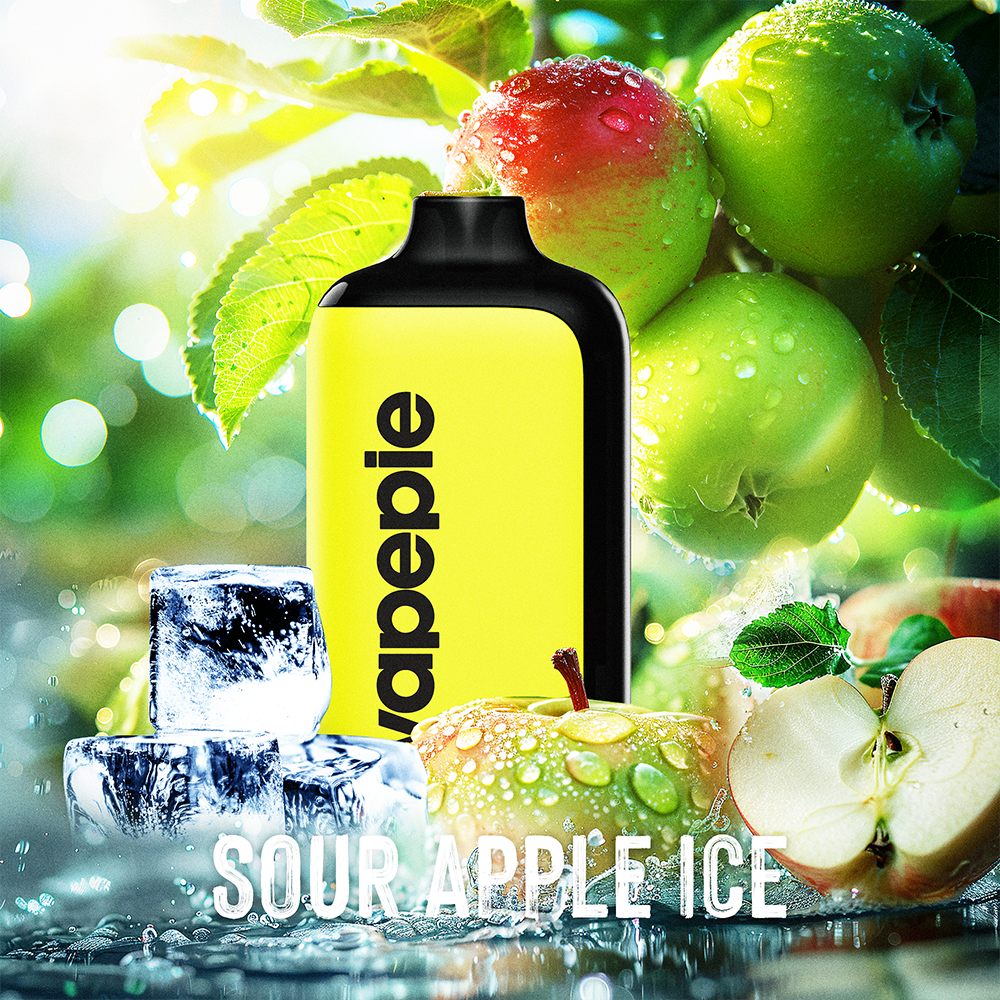
similar forms, similar puff counts, similar fruit-ice flavor combinations.
While hybrid coil technology is improving efficiency and reducing emissions, innovation increasingly lives in a narrow corridor defined by compliance. The market split in 2025 reflects this:
Chinese leaders Smoore and RELX continue steady expansion, but R&D freedom is under pressure. The EU’s proposal to ban flavored vapes in 2026 directly impacts flavor labs, long the source of differentiation.
Innovation has not slowed because companies lack capability, but because regulation has rewritten the boundaries of what is commercially safe to pursue.
The United States remains both the largest commercial opportunity and the most complex battlefield. On January 3, 2025, the FDA updated its import alert, enabling seizure of any unauthorized vape without physical inspection.
In July, the Senate Appropriations Committee approved USD 200 million for enforcement against illicit products, with USD 2 million dedicated specifically to a cross-agency task force.
Legal manufacturers now sit in a paradox:
For major brands, the U.S. is no longer simply a growth target—it is a compliance minefield.
Diversifying product portfolios is the logical path for reducing risk, yet advertising restrictions have made traditional brand building nearly impossible.
In March 2025, Juul agreed to pay USD 79 million to Florida, along with severe marketing restrictions:
With public channels largely closed, brands turn to in-store shelf competition and field reps—a slow and costly model.
BAT’s move to launch Vuse Ultra, positioned as a premium customizable device, shows a pivot: differentiation through user experience rather than mass visibility.
“Public health threat” remains a dominant narrative. The WHO’s 2025 stance linking electronic nicotine products to addiction escalation has deepened societal mistrust.
Talent, especially with medical, regulatory, or scientific credentials, is cautious. Joining the category often means inheriting reputational risk. In response, leading companies have begun highlighting reduced-harm research and cross-industry value—particularly aerosol applications in diagnostics, healthcare delivery, and agriculture.
Vape giants have evolved from aggressive expansion to a model best described as growth within boundaries. The winners will be those who:
Philip Morris International’s decision to anchor VEEV expansion in regulation-friendly European jurisdictions reflects this directional shift—picking arenas with rules, not chaos.
Smoore’s 2025 mid-year analysis underscored the same point: intensified U.S. enforcement and EU restrictions will accelerate industry consolidation, with compliance becoming the new segregation line between survival and exit.
Global vaping is entering a structural reset. Market size is projected to surpass USD 29.1 billion in 2025, and China—controlling over 70% of worldwide capacity—remains the production command center.
But the age of unchecked growth is over. Regulation, public perception, and product sameness now define the competitive terrain. The companies that endure will not be the fastest movers, but those capable of:
The industry has shifted from boundary-breaking to boundary-navigating. Those willing to play the long game—disciplined, compliant, and globally adaptive—stand the best chance of shaping vaping’s next decade.
Comment